

The Wealth Paradox: Why High Income Doesn’t Equal True Wealth



Understanding the Hidden Math Behind Financial Freedom
When we talk about success with money, many of us focus on the wrong numbers. The true measure of wealth isn’t how much you make, or even how much you own – it’s whether your assets generate enough income to cover your lifestyle. This is the wealth ratio: the relationship between what your assets produce and what you spend.
Let’s explore this through two people who both bring in $400,000 a year, but in very different ways.

Michael is a successful corporate attorney earning $400,000 through salary and bonuses. His annual expenses look like this:
• Mortgage Payment: $84,000/year Car Payments: $24,000/year
• Student Loans: $36,000/year
• Living Expenses: $120,000/year
• Taxes: $136,000/year Total Annual Expenses: $400,000
His wealth ratio? Zero. Despite his high income, all his money comes from his work, not his assets. If he stops working, his income stops while his expenses continue.

Now meet Nicole, who owns two established small businesses: a distribution company and a service business. Her businesses generate $400,000 in take-home income after paying all employees and expenses. Her annual expenses are:
• Mortgage Payment: $48,000/year
• Living Expenses: $100,000/year
• Taxes: $52,000/year Total Annual Expenses: $200,000
Her wealth ratio? 2.0. Her assets (the businesses) generate twice what she needs for expenses. This means she’s truly wealthy, regardless of her lifestyle choices. She could double her spending tomorrow, and her assets would still cover everything.

This fundamental difference shows up in their balance sheets: Michael’s Financial Picture:
• Owns a $1.2 million house (owes $900,000)
• Has $800,000 in retirement accounts
• Drives a $150,000 car (owes $100,000)
• Still paying off $200,000 in student loans
• Has $50,000 in credit card debt
• Total worth: $1 million Asset Income: $0
Nicole’s Financial Picture:
• Owns a comfortable $800,000 house (owes $500,000)
• Owns two businesses worth $2.5 million combined


• Has $400,000 in investments
• Keeps $200,000 in cash reserves
• Has $1 million in business loans
• Total worth: $2.4 million Asset Income: $400,000

Here’s the key insight: You can be wealthy with a modest lifestyle or broke with an extravagant one. The difference isn’t in what you spend – it’s in whether your assets generate enough to cover those expenses. Want a bigger house or a luxury car? That’s fine, as long as your assets generate enough income to pay for them.
This is why business ownership is such a powerful path to wealth. A well-run business can generate significant income without requiring your constant presence. While Michael must trade time for money, Nicole’s businesses work for her around the clock.
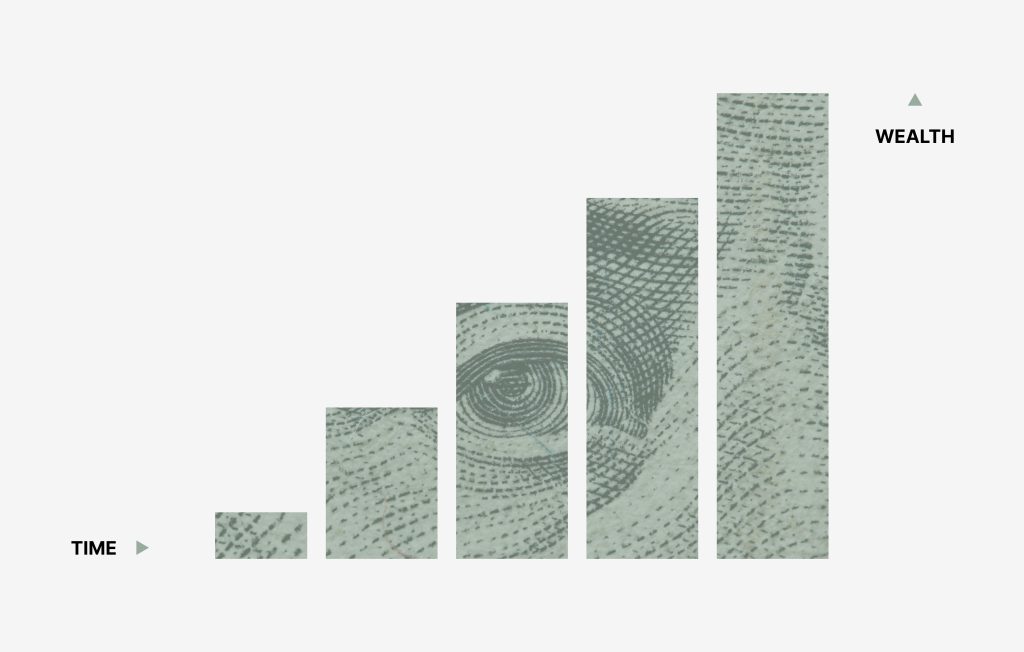
The real mathematics of wealth looks like this:
• If your assets generate exactly what you spend, you’re financially independent (Wealth Ratio = 1.0)
• If they generate twice your expenses, you’re wealthy (Wealth Ratio = 2.0)
• If they generate three times or more, you’re creating generational wealth (Wealth Ratio = 3.0+)
This means true wealth planning isn’t just about accumulating assets – it’s about acquiring or building assets that generate more income than you spend. You can increase your wealth ratio in two ways:
- Increase your asset income by acquiring more income-producing businesses
- Optimize your expenses while maintaining your lifestyle
The goal isn’t to live frugally – it’s to own enough income-producing assets to fund whatever lifestyle you choose. Whether you want a yacht or a tiny house, true wealth means your assets pay for your lifestyle, not your labor.