



How the backlash to 50 Cent’s Netflix doc exposes a culture still loyal to celebrity power over truth, accountability, and the safety of women.
When 50 Cent announced he was producing a docuseries on Sean “Diddy” Combs, most people treated it like another chapter in a long-running feud. For years, 50 has done the bulk of the verbal sparring while Diddy maintained his silence publicly. So when The Reckoning finally dropped on Netflix, many expected it to be petty, one-sided, or just another internet spectacle.
What has happened since the release, however, says far more about us as a culture than it does about either man.
Instead of addressing decades of allegations, documented patterns of manipulation, intimidation, and emotional damage — the conversation online has been about whether 50 Cent is a “sellout,” a hater, or even a “coon.” People are debating the producer, not the content. Loyalty to a celebrity myth is overshadowing basic human empathy.
Because the truth is this—the backlash toward 50 Cent exposes a culture that has become desensitized, easily manipulated by celebrity mythology, and disturbingly comfortable ignoring harm for the sake of entertainment.
One of the most disturbing parts of the entire docuseries wasn’t even about Diddy’s actions — it was about the jurors’ reactions to them.
A male juror watched a video of Cassie being physically assaulted. He heard six weeks of testimony detailing abuse, control, and fear spanning 11 years. And yet, he walked away describing the two as “a couple in love who just couldn’t get it together.”
That’s not confusion — that’s cultural conditioning. That’s the normalization of abuse.

A female juror admitted she connected with Sean Combs emotionally and viewed some witnesses as unbelievable. She didn’t sound like a juror examining evidence; she sounded like a fan defending her favorite celebrity.
And because the jurors were not sequestered, they were fully exposed to social media commentary surrounding the case. They were allowed to absorb the internet’s reaction to a man who has shaped pop culture for decades.
This alone should make us pause.
It should make us question the very foundation of “fairness” in a world where celebrity is currency and charm is a weapon.
Another conversation happening outside the documentary is the speculation around 50 Cent’s son’s mother, Daphne Joy, who was referenced in court filings connected to the case and has been photographed with both men. She is not mentioned in the docuseries, but the public speculation alone reveals something we never want to admit: women are still being used as pawns in men’s battles for power.
This is not new behavior for Diddy, and the documentary backs that up.
From the beginning of his career, he pursued women who were romantically connected to men he worked with, admired, or envied:
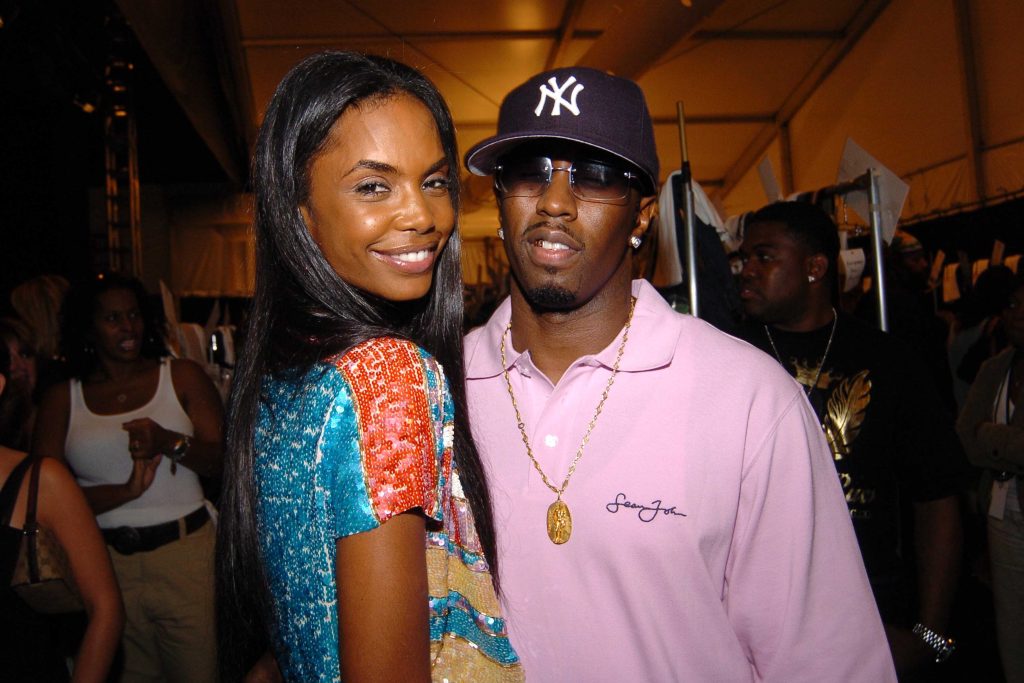
• Kim Porter, who was dating Al B. Sure.
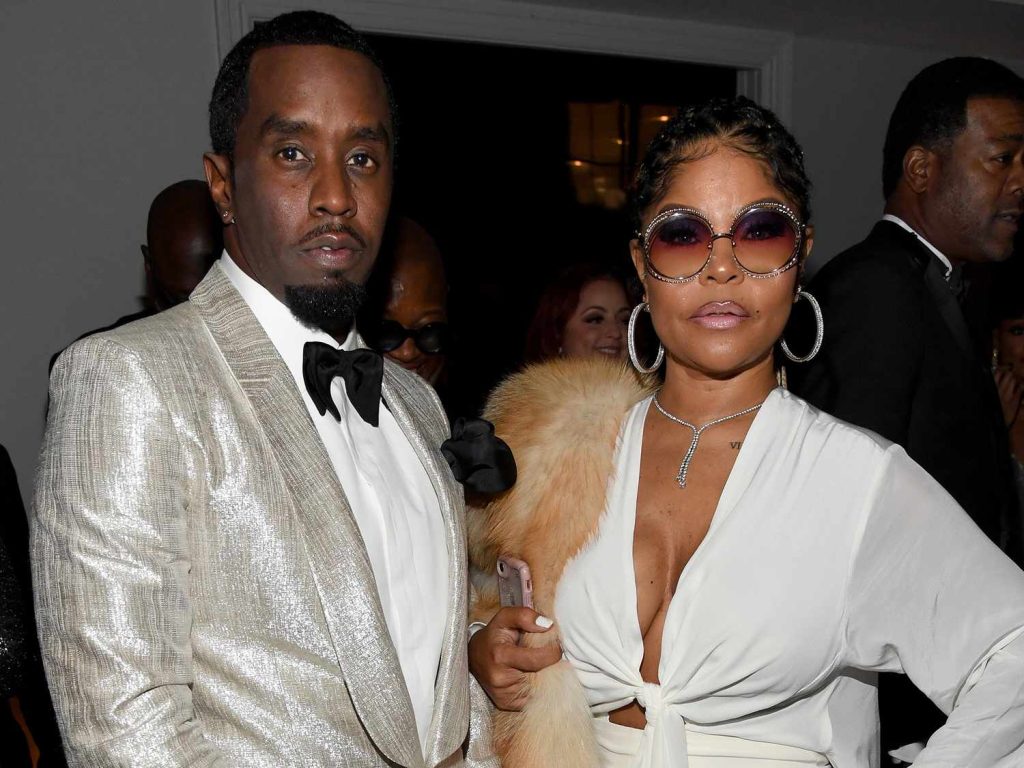
• Misa Hylton, closely connected to Eric Sermon.
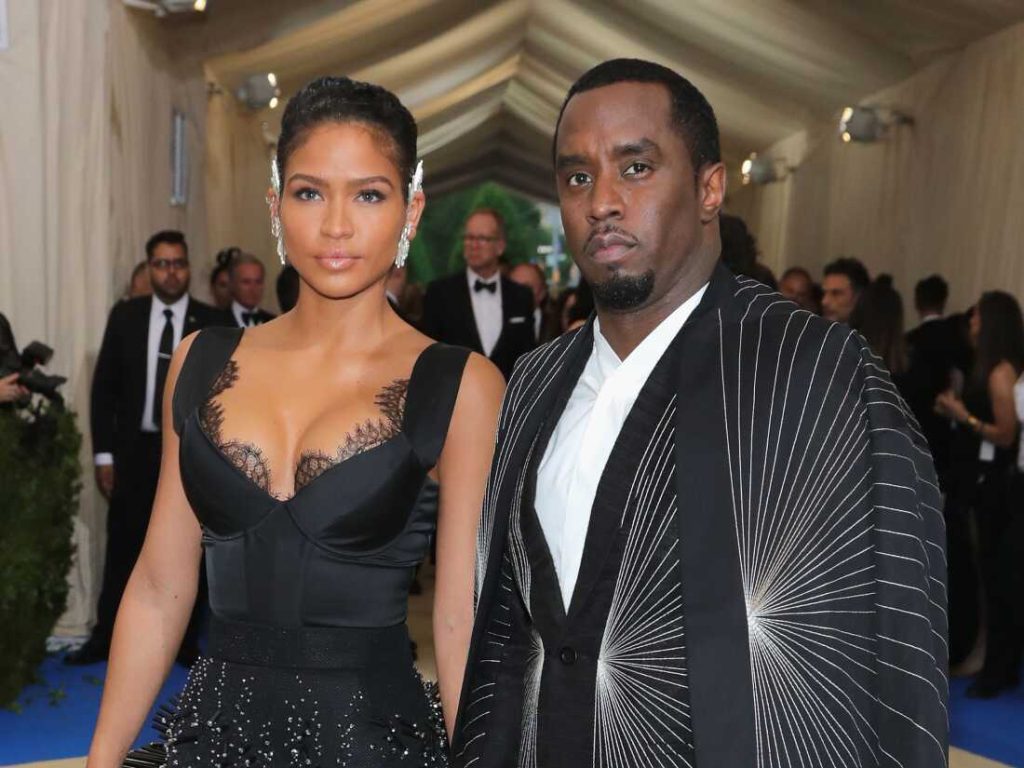
• Cassie, who had both a business and romantic relationship with Ryan Leslie when Diddy stepped in.
These weren’t coincidences. They were patterns. They were calculated moves in a personal game of dominance and validation.
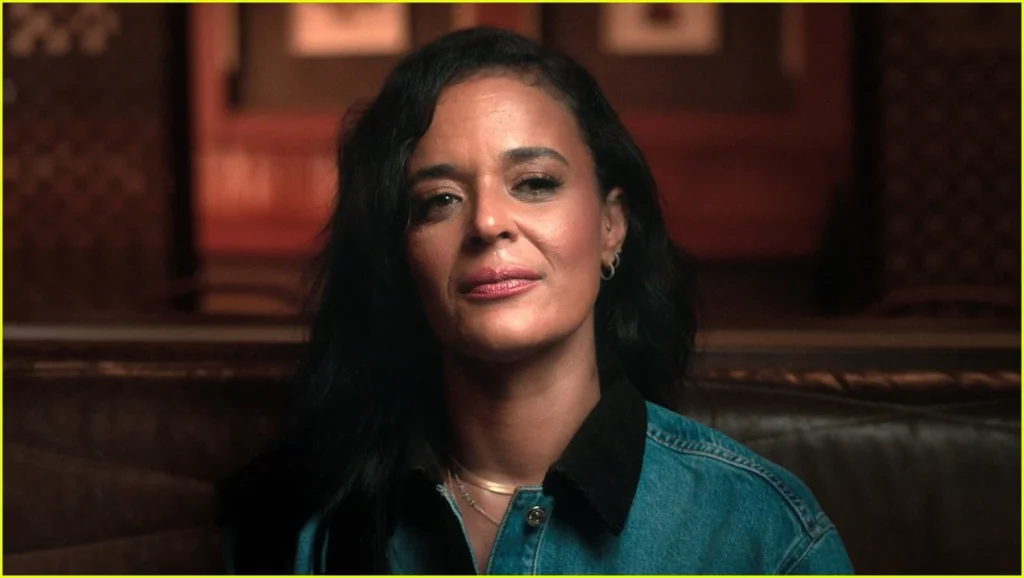
The documentary also shows how this same mindset bled into his interactions with women who worked for him. If he wasn’t pursuing them, he was attempting to control them. The chilling account from his former assistant Capricorn Clark, who says he threatened her life if she didn’t protect him, is a perfect example.
Even more disturbing?
So many viewers brushed past it.
Shrugged it off as “industry.”
Acted like this wasn’t the same behavior the Me Too movement was supposed to correct.
It’s heartbreaking to see how quickly we return to applauding dysfunction when power is involved.
Another theme that The Reckoning highlights — one most people refuse to confront — is the cost of Diddy’s success to the people around him.
We hear from:
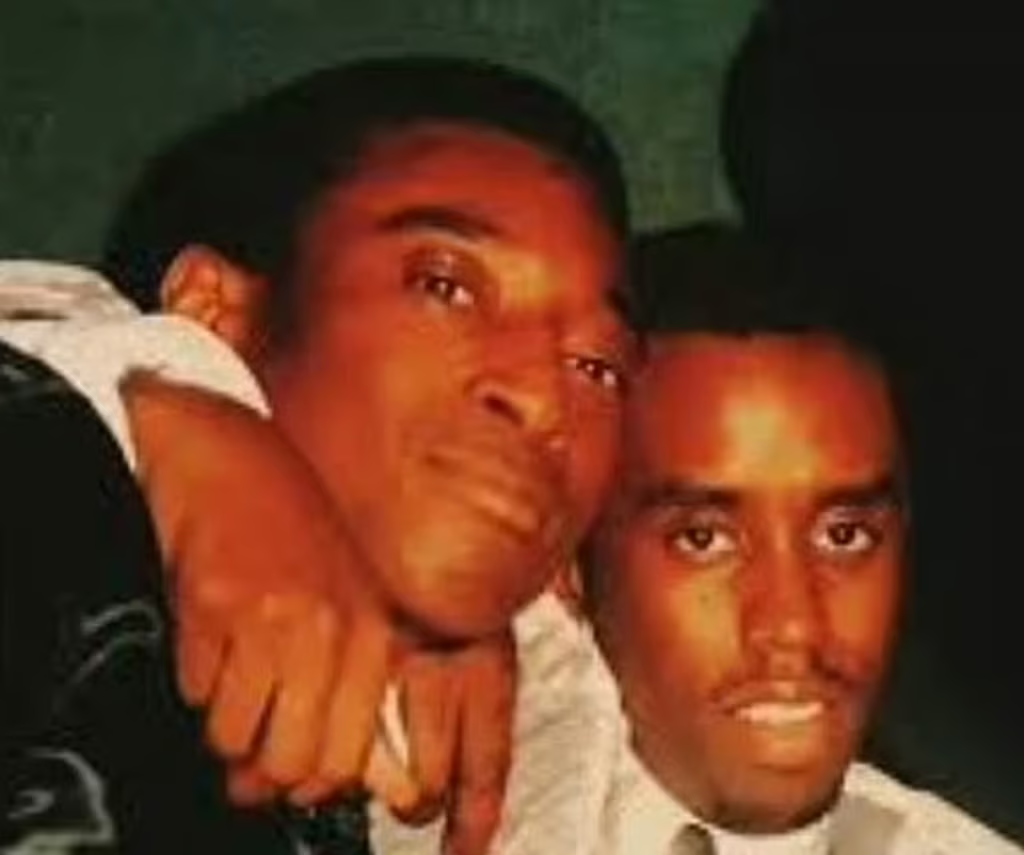
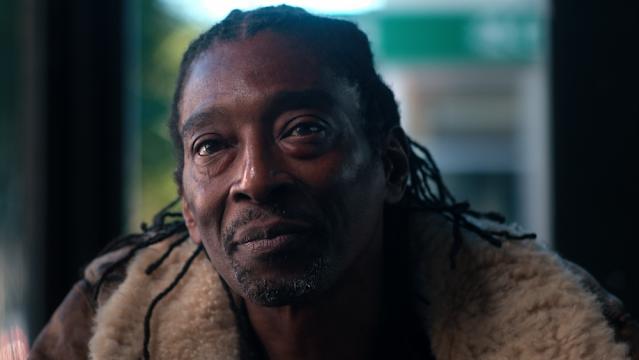
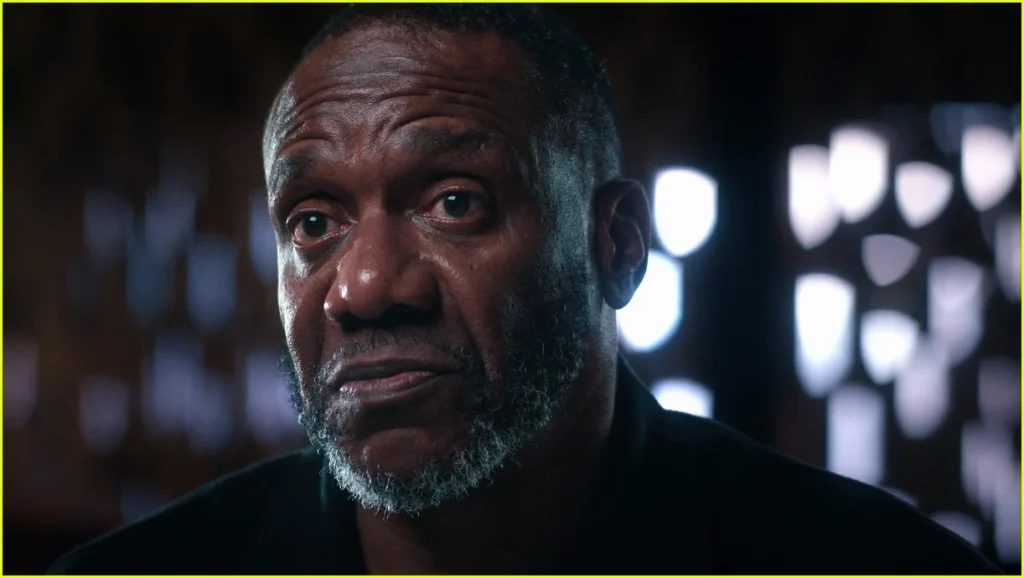
• Kirk Burrows, essentially pushed out of ownership in Bad Boy until he was left with nothing.
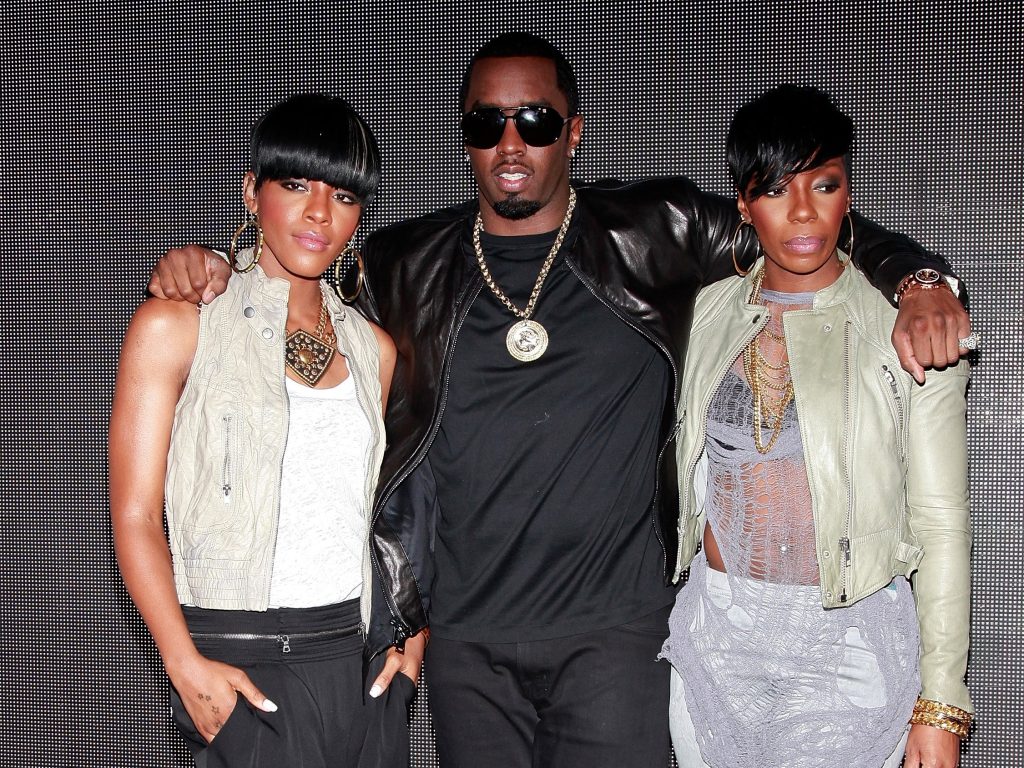
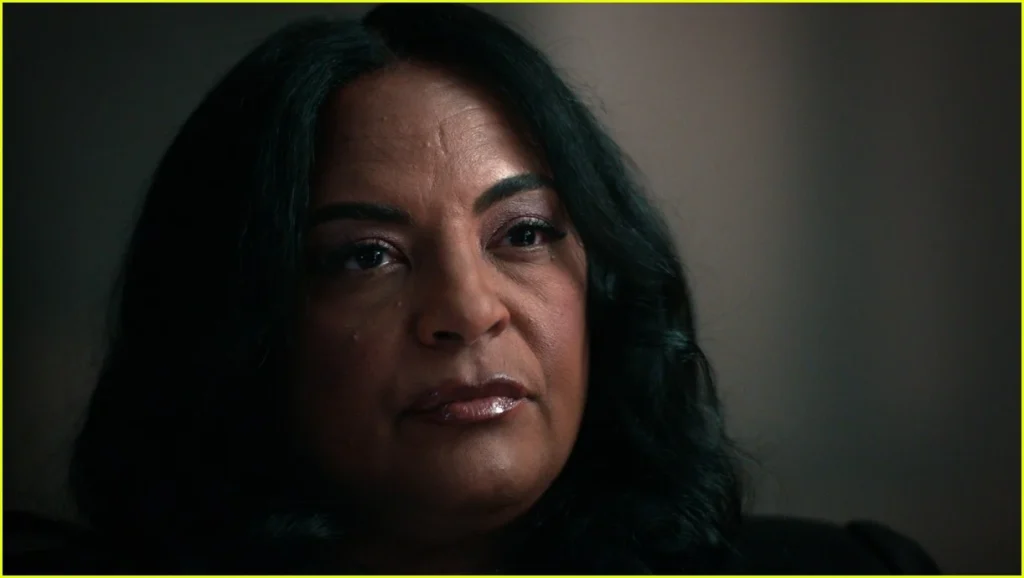
• Kaleena Harper, from Dirty Money, who openly admitted she was struggling financially yet still couldn’t get help from the man whose project she helped elevate.
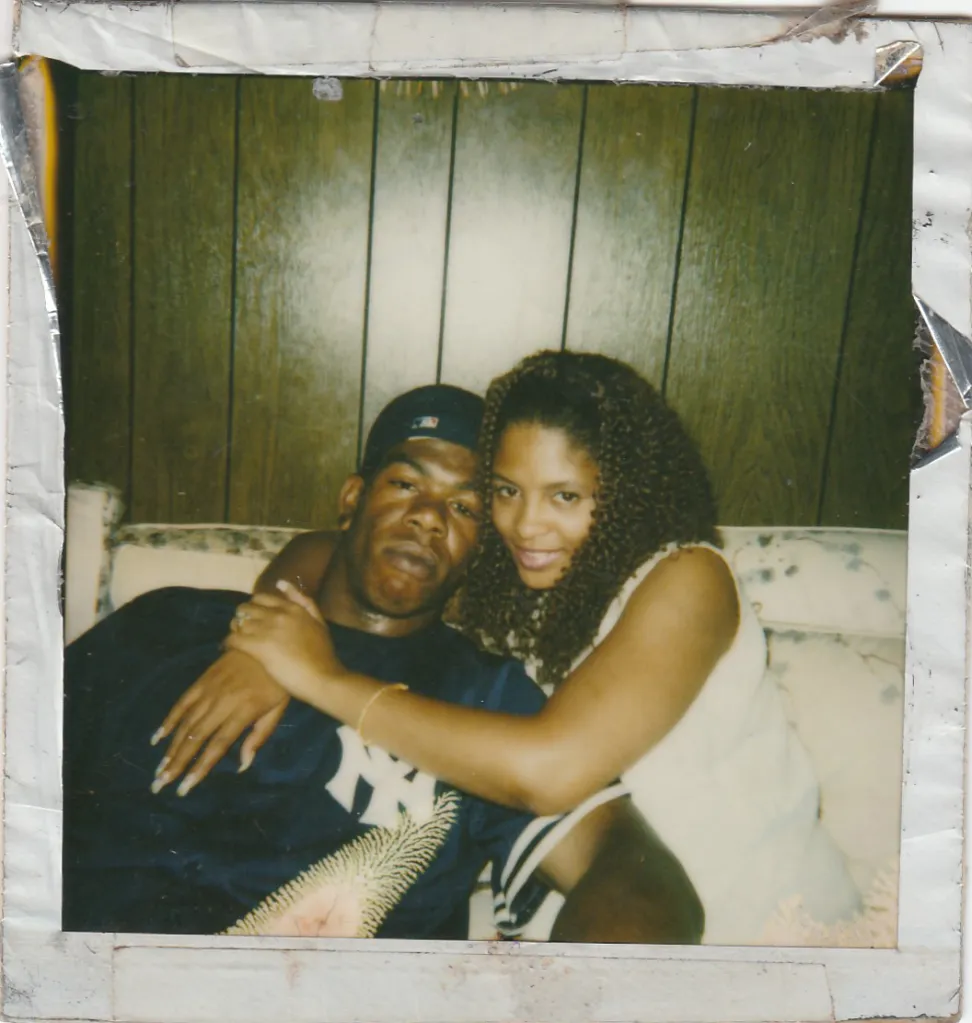
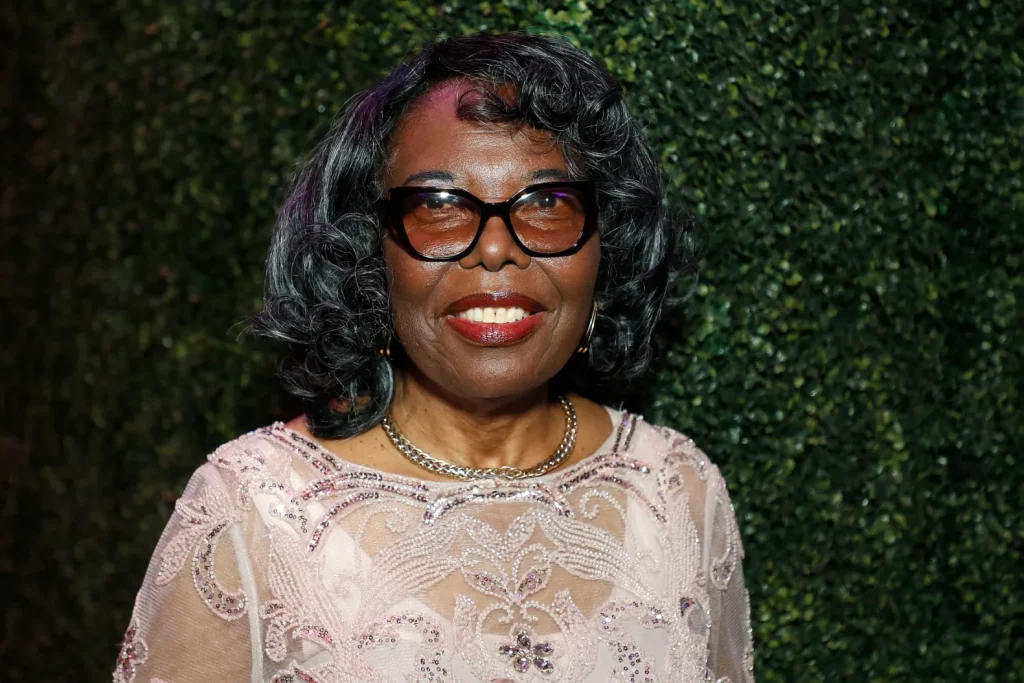
• Craig Mack’s widow, Biggie’s mother, and countless others whose lives intersected with his brilliance but were left with emotional or material devastation.
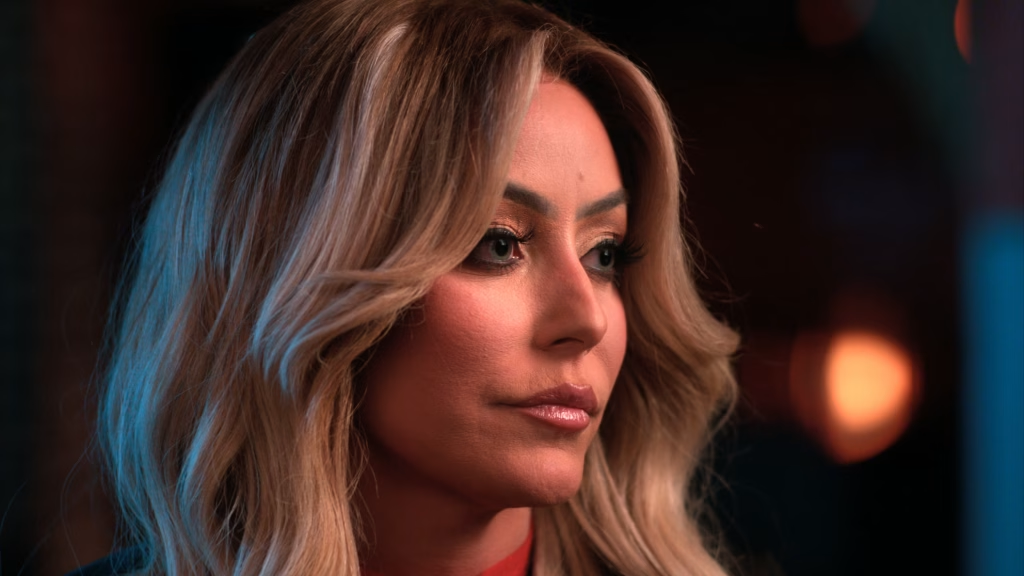
We watch Aubrey O’Day describe receiving inappropriate emails from her label head in the middle of the night. Emails that would be headline news if sent by a CEO in corporate America — brushed off as “entertainment” simply because of who sent them.
And through it all, the culture keeps saying, “But he’s successful.”
If that is our definition of success, then we desperately need a new definition.
The first episode of the series revisits the East Coast–West Coast beef — an era that cost hip-hop the lives of Tupac and Biggie. That feud was fueled by ego, pride, and a refusal to resolve conflict without violence.
So the fact that 50 Cent, of all people, chose to create a film — a researched, multifaceted, surprisingly balanced film — instead of escalating conflict should be seen as a step forward.
He didn’t retaliate with violence.


He didn’t play the social media game of “one-upmanship.”
He didn’t go after one of Diddy’s exes to be petty.
He made a documentary.
That is growth, whether people want to admit it or not.
THE REAL RECKONING IS OURS
At the end of the day, The Reckoning is not just about Sean Combs.
It is a mirror — and most people don’t like what they see.
We say we care about victims, but ignore their pain when the accused is someone we’ve danced to, admired, or mythologized.
We say we want accountability, but only when it doesn’t threaten our nostalgia.
We say we’ve evolved, but defend the exact systems and behaviors we claim to be dismantling.
The documentary forced us to look at the truth.
The reaction forced us to admit we still don’t want to.
The question is no longer “What did Diddy do?”
The question is:
Why are we so determined to protect him from the consequences?
And until we answer that honestly, the real reckoning isn’t happening on Netflix —
it’s happening in the culture that made him untouchable.