


“The Case of Marcellus Williams: Justice Delayed or Denied?”

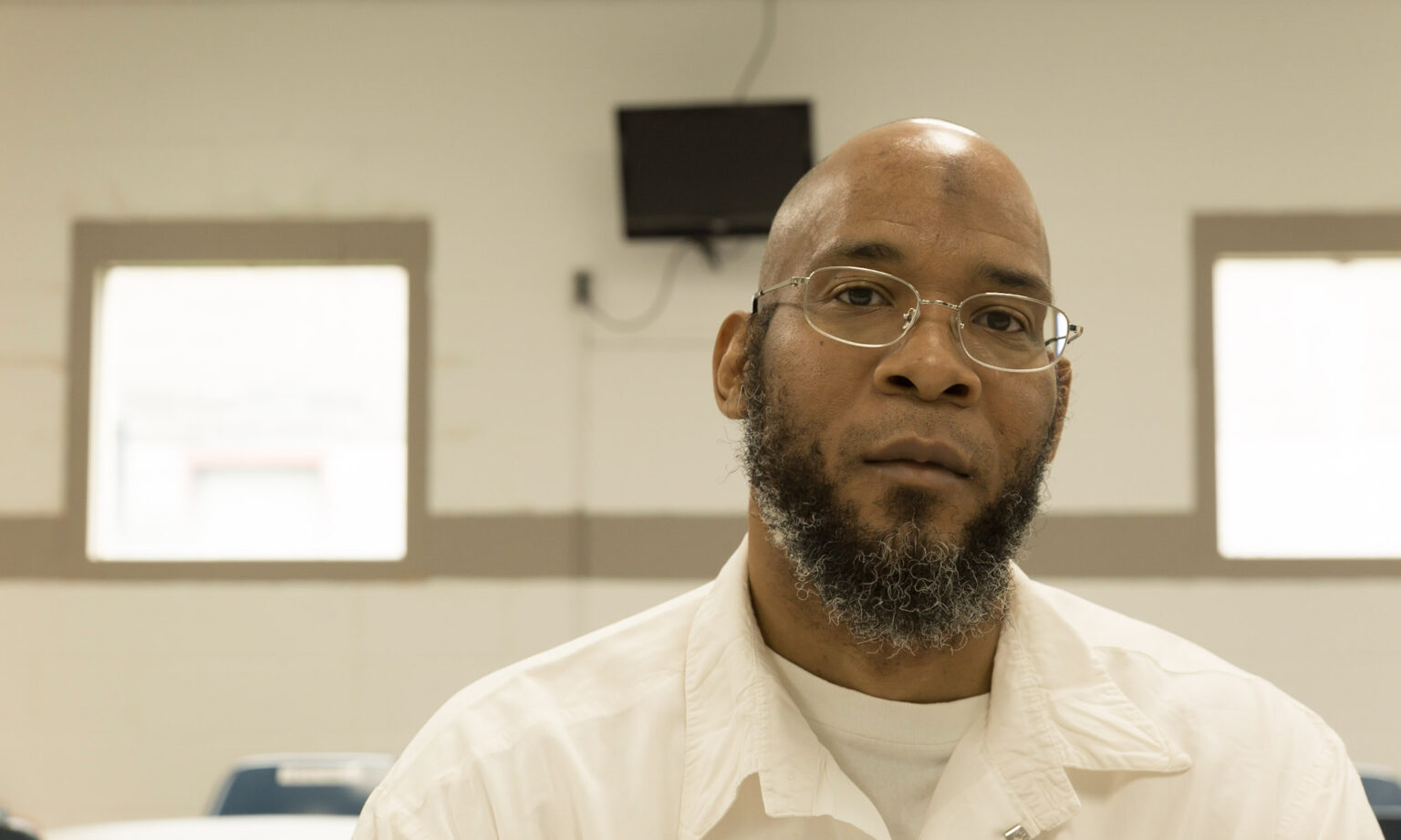

Marcellus Williams was convicted for the 1998 murder of Felicia Gayle, a former reporter for the St. Louis Post-Dispatch, who was stabbed 43 times in her home during a robbery. Despite Williams’ insistence on his innocence and concerns over the evidence used against him, including the lack of his DNA on the murder weapon, he was executed by lethal injection in Missouri on September 26, 2024, after multiple appeals failed to prevent the execution.
Timeline of Events
- August 11, 1998: Felicia Gayle is found murdered in her home in University City, Missouri. She had been stabbed 43 times during what appeared to be a robbery.
- 1999: Marcellus Williams is arrested after an anonymous tip to the police. The tip was later found to come from Henry Cole, a man who was incarcerated with Williams and claimed Williams had confessed the crime to him. Additional evidence included testimony from Williams’ ex-girlfriend, who claimed he sold items belonging to Gayle.
- 2001: Williams is convicted of first-degree murder and sentenced to death, despite no physical evidence directly linking him to the crime. The conviction is largely based on testimony from Cole and Williams’ ex-girlfriend, as well as circumstantial evidence, but no DNA or fingerprints from Williams were found at the scene.
- 2015: DNA testing on the murder weapon reveals that the knife used to kill Gayle did not contain Williams’ DNA, but rather an unknown male’s. This raised doubts about the reliability of the conviction, prompting Williams’ legal team to push for clemency and further testing.
- 2017: Just hours before his scheduled execution, then-Governor Eric Greitens issues a stay of execution and appoints a board of inquiry to examine the DNA evidence and the fairness of the trial. Public outcry grows as questions about racial bias in jury selection and the validity of witness testimony come to light. Greitens’ decision marks a temporary victory for Williams’ legal team, and the case is scrutinized on a national level.
- 2019: Despite the DNA evidence and ongoing appeals, the board of inquiry fails to reach a consensus on Williams’ innocence. However, no further action is taken, and the case lingers without resolution, leaving Williams on death row.
- September 2024: In the weeks leading up to his execution, Williams’ lawyers file several last-minute appeals, citing newly discovered evidence and procedural flaws, including claims of racial bias in the jury selection process and contamination of the murder weapon before the trial. Gayle’s family publicly asks that Williams’ life be spared, citing the unresolved questions surrounding the case.
- September 24, 2024: The US Supreme Court denies a stay of execution, despite the defense’s arguments about the unreliability of the conviction.
- September 26, 2024: Marcellus Williams is executed by lethal injection at the Bonne Terre state prison in Missouri around 6 p.m. CT. Williams maintains his innocence until the end, and his attorneys continue to claim that the state executed an innocent man.
Key Legal Notes
- DNA Evidence: One of the central issues in Williams’ case was the DNA testing of the murder weapon, which revealed that the knife did not contain his DNA. Instead, it contained the DNA of an unknown male, which cast doubt on the prosecution’s theory that Williams was the sole perpetrator. This evidence was not available during the original trial and became a cornerstone of the appeals process.
- Witness Testimonies: The prosecution’s case against Williams relied heavily on testimony from Henry Cole and Williams’ ex-girlfriend. Both individuals had questionable motives, including potential financial gain, and their reliability was challenged during the appeals process.
- Racial Bias in Jury Selection: Williams’ legal team raised concerns that the jury selection process was racially biased. They argued that potential Black jurors were improperly dismissed, which compromised the fairness of the trial. Williams, a Black man, was convicted by a majority white jury in St. Louis County, a fact that became a point of contention in later appeals.
- Contamination of Evidence: Another key aspect of the defense’s argument was the potential contamination of the murder weapon prior to trial. Williams’ attorneys claimed that this could have further compromised the integrity of the physical evidence.
Public Outcry
The case of Marcellus Williams attracted significant public attention, particularly after the 2015 DNA results raised questions about the original conviction. Advocates for Williams argued that the state was on the verge of executing an innocent man, leading to widespread calls for clemency. Civil rights organizations, anti-death penalty activists, and Williams’ legal team pointed to the unreliable nature of witness testimony and the racial bias present in the case.
In 2017, then-Governor Eric Greitens’ decision to halt the execution drew praise from many who saw it as a step towards justice. However, others, including the prosecutor’s office, continued to push for Williams’ execution, maintaining that the DNA evidence did not exonerate him. The involvement of racial bias and the controversial nature of the death penalty itself further fueled the public debate.
Missouri Governor and Supreme Court Decisions
- Governor’s Role: Governor Eric Greitens temporarily halted the execution in 2017, appointing a board of inquiry to investigate the case. However, Greitens resigned from office in 2018, and subsequent governors did not act to grant clemency. Despite pleas from Gayle’s family and death penalty opponents, Missouri Governor Mike Parson declined to intervene, allowing the execution to proceed.
- Supreme Court Denial: In September 2024, the US Supreme Court rejected Williams’ final appeal for a stay of execution, despite ongoing concerns about the DNA evidence and other potential flaws in the case. The Court’s refusal effectively cleared the way for Williams’ execution, leaving the board of inquiry’s inconclusive findings and the unresolved DNA evidence as lingering questions in the case.
Final Execution
On September 26, 2024, Marcellus Williams was executed by lethal injection at the Missouri state prison in Bonne Terre. Despite multiple appeals, DNA evidence, and requests for clemency, the state proceeded with the execution. Williams continued to claim innocence until his death, and the case remains a controversial example of potential miscarriage of justice within the American criminal justice system.