

Your Netflix Bill Is About to Go Up — But the Streaming Shake-Up Might Actually Be a Win for Black and Brown audiences


Let’s just rip the Band-Aid off now: your Netflix subscription is going up in 2026. I can almost guarantee it. Anytime a company drops over $82.7 billion to buy Warner Bros. Discovery, someone has to cover that tab — and no surprise, they’re looking straight at our monthly auto-draft.
But before we all start doing the dramatic “I’m canceling Netflix” speech (that we never follow through on), let’s step back. Because this merger isn’t just a business deal — it’s a cultural reset. And honestly, it might be one of the smartest moves Netflix could make heading into a future where streaming isn’t the alternative to TV anymore. Streaming is the TV.
Here’s where it gets interesting. Netflix is one of the few platforms that consistently puts Black stories on a global stage — not tucked away in a “Black Stories” tab, but truly front and center. And the best example of that is Shonda Rhimes’ Bridgerton.
On the surface, Bridgerton is a romantic period drama. But for Black viewers, it’s a revolution wrapped in lace gloves and orchestral Beyoncé covers. It’s the only mainstream period series that boldly inserts Black royalty, Black beauty, Black desire, and Black storytelling into a world that historically erased us. It’s fantasy and escapism layered with intentional representation — and audiences across every continent ate it up.
Netflix didn’t just platform Shonda’s brilliance — it amplified it to a global audience of more than 300 million households. That kind of reach simply didn’t exist before.
When Netflix says they’re buying Warner to “help define the next century of storytelling,” it matters. Because our stories deserve to be part of that century — not as footnotes, but as centerpieces.
It’s no secret that Netflix is the only streamer that’s figured out how to turn international content into mainstream hits. They aren’t just showing African, Brazilian, Asian, or European programming — they’re turning it into global conversation.
A few examples:

• Squid Game — a South Korean series that literally took over the world
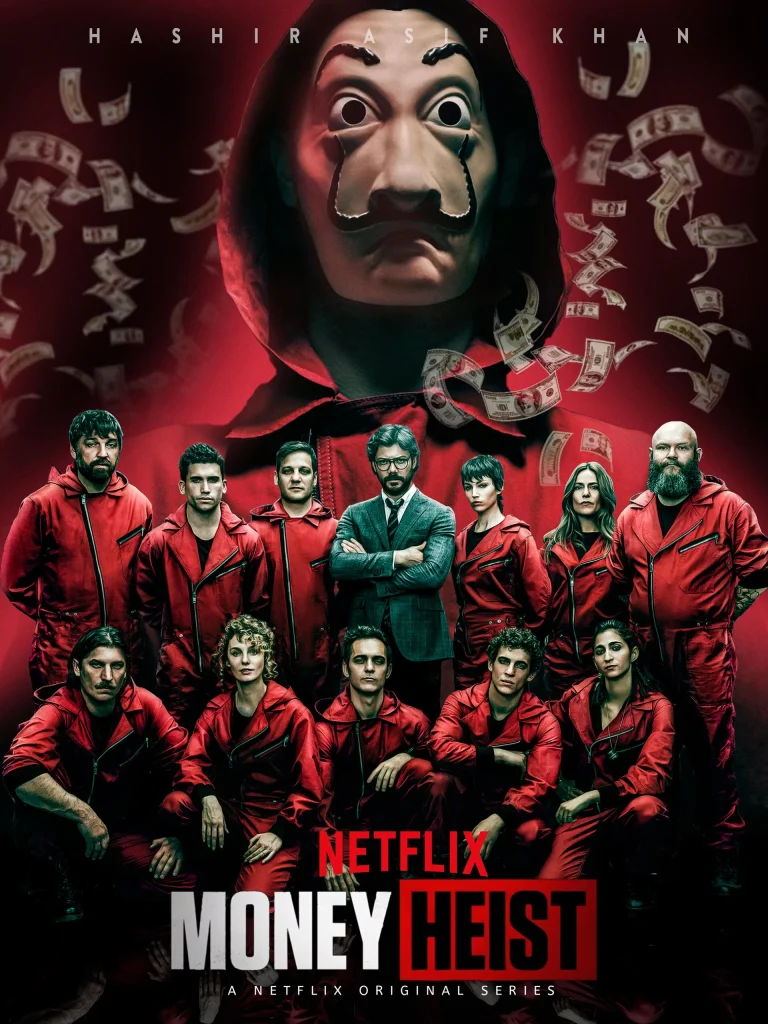
• Money Heist — a Spanish thriller that hit cult status in the U.S.
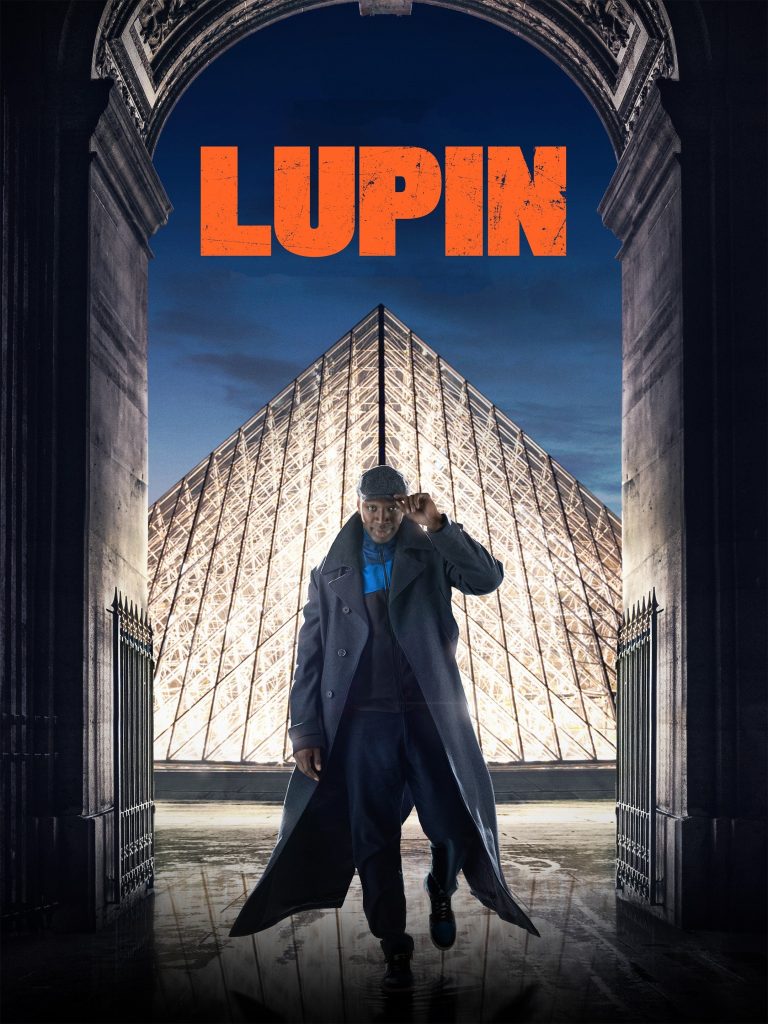
• Lupin — a French mystery series that became essential viewing
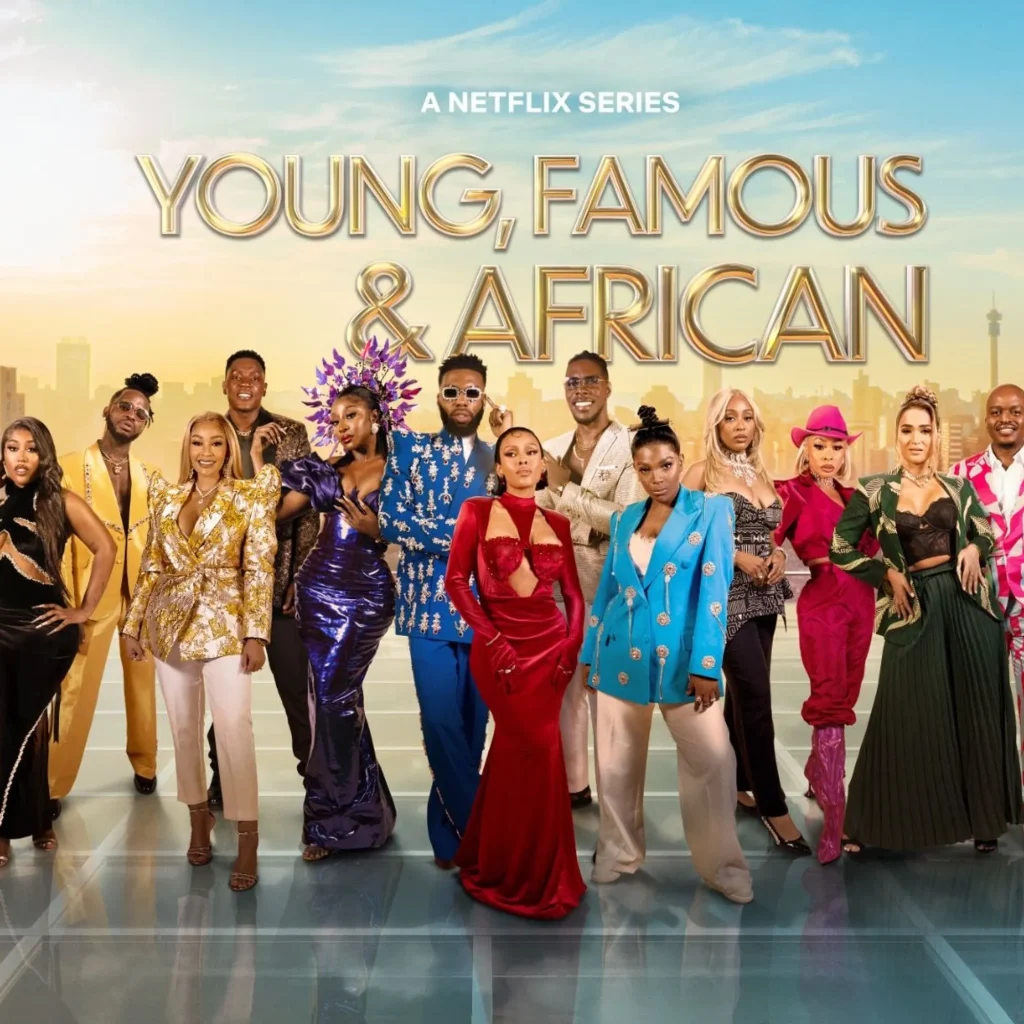
• Young, Famous & African — a reality series giving African luxury culture a global spotlight
• Brazilian dramas that rack up American fandom overnight
• Nigerian and South African storytelling that now crosses borders seamlessly
Netflix normalized watching content in different languages.
It normalized subtitles.
It normalized global Blackness and global Brownness being consumed at the same rate as American content.
When your story lands on Netflix, it doesn’t just air —it travels.
Warner brings Hollywood history. Netflix defines the future. Together they are the industry’s end game.
Yes, you’ll pay more.
But you might also get:

• Black storytelling with global reach
• HBO-level prestige on a platform you already use
• International content that doesn’t feel “foreign”
• One ecosystem instead of juggling six apps
• A deeper catalog than any of us can binge in a lifetime
The merger could make Netflix the new cable but a version of cable that actually understands culture, representation, and the fact that audiences don’t want borders around their stories anymore.
This deal is massive, and if you care about storytelling — Black storytelling, global storytelling, experimental storytelling — this might actually be the moment entertainment starts looking more like the world we actually live in.
So yes, your Netflix bill is going up.
But the value of what you’re getting?
That just might go up too.